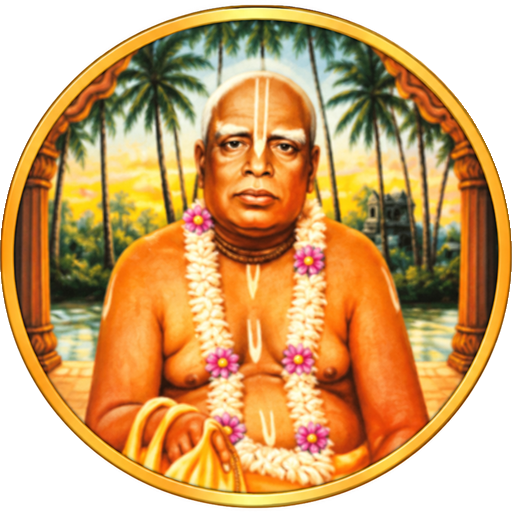
1838
Birth at Ula, Nadia, Bengal
Born as Kedaranath Datta to a distinguished aristocratic family in the village of Ula (Birnagar), Nadia district.
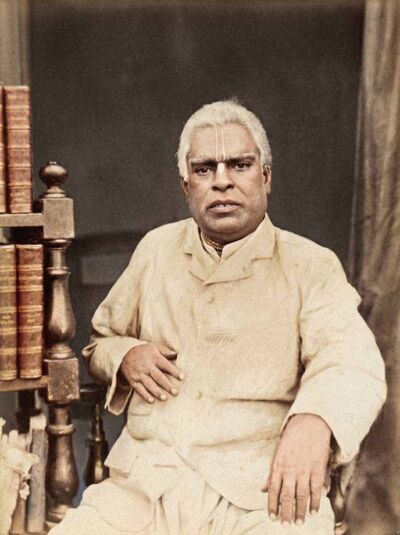
A pioneering Gauḍīya Vaiṣṇava ācārya, magistrate, prolific author, and spiritual reformer whose tireless devotion revived the sacred teachings of Śrī Caitanya Mahāprabhu. Through deep scriptural scholarship, the rediscovery of Śrī Mayapur, and the inauguration of village Nāma-haṭṭa preaching, he laid the spiritual foundation that inspired Śrīla Prabhupāda’s worldwide saṅkīrtana movement.
From high colonial judicial duty to solitary contemplation on the Ganges, every chapter of his life reflected unyielding allegiance to truth, scholarship, and devotional surrender.
Born as Kedaranath Datta to a distinguished aristocratic family in the village of Ula (Birnagar), Nadia district.
Appointed Deputy Magistrate and Deputy Collector, embarking on an illustrious career marked by unimpeachable integrity.
Transferred to Purī to supervise law, order, and temple administration, deepening his intimate connection with Lord Jagannātha.
His fourth son is born in Jagannātha Purī, fulfilling Bhaktivinoda's fervent prayers for a 'ray of Viṣṇu' to spread Mahāprabhu's mission.
Launches the monthly spiritual periodical dedicated to expounding pure Gauḍīya siddhānta and refuting deviant sects.
While in deep meditation at the government quarters in Krishnanagar, perceives a luminous effulgence across the river at Mayapur.
Revives Lord Nityānanda's congregational village preaching program across rural Bengal.
Śrīla Jagannātha Dāsa Bābājī Mahārāja ecstatically confirms the exact birthplace of Śrī Caitanya Mahāprabhu at Mayapur.
Neither an ascetic recluse nor an ordinary magistrate, Śrīla Bhaktivinoda Ṭhākura harmonized towering intellect with profound humility, transforming every sphere of human endeavor into sacred offering.
Purified contemporary Vaiṣṇavism of sectarian corruptions and philosophical misconceptions, re-establishing the unalloyed teachings of the Six Gosvāmīs with scholarly brilliance.
Raised a family of ten children and fulfilled demanding domestic and societal duties without ever compromising intense personal bhajana and spiritual contemplation.
Served as a respected Deputy Magistrate and Deputy Collector in Bengal, Bihar, and Orissa, renowned throughout the British administration for integrity, fairness, and tireless labor.
Penned over one hundred books, essays, commentaries, songs, and articles in Sanskrit, Bengali, and English, establishing modern printing presses to disseminate sacred texts.
Tirelessly analyzed ancient geographical texts, historical accounts, and revenue survey maps to identify the authentic birthplace of Lord Śrī Caitanya Mahāprabhu at Mayapur.
Reinvigorated Lord Nityānanda's village preaching program, creating a structured network of traveling congregational groups that brought saṅkīrtana into ordinary homes.
Expounded the precise metaphysical science of the Holy Name, distinguishing offenses (aparādhas) and clearing stages (ābhāsa) from pure love (śuddha-nāma).
Foresaw that Mahāprabhu's message of universal divine love would transcend racial, national, and linguistic boundaries to sweep across the continents of the world.
Śrīla Prabhupāda continually presented Śrīla Bhaktivinoda Ṭhākura as the foremost modern example of how household life and vocational duty can be spiritualized to the highest perfection.
“In our disciplic line we have the example of a perfect householder paramahaṁsa — Śrīla Bhaktivinoda Ṭhākura.”
Over centuries, the shifting courses of the sacred Ganges obscured the exact birthplace of Śrī Caitanya Mahāprabhu. Historical negligence and sectarian interests had created pervasive confusion, leading many to overlook the ancient eastern bank.
Śrīla Bhaktivinoda Ṭhākura undertook extensive archival and on-site research, meticulously consulting ancient scriptures, 18th-century British revenue survey maps, and local topography. In 1893, he escorted the revered paramahaṁsa Śrīla Jagannātha Dāsa Bābājī Mahārāja to the site, where the elderly saint ecstatically confirmed the Yoga-pīṭha birthsite.
Bhaktivinoda subsequently founded the Śrī Mayapur Seva Samiti, erected the sacred shrine under the venerable neem tree, and initiated the ongoing development of Mayapur as the international spiritual heart of the Gauḍīya tradition.
From monumental theological treatises to intimate confessions of surrender, his writings revived the intellectual dignity of Gauḍīya Vaiṣṇavism and provided a complete handbook for devotional life.
A profound philosophical treatise presenting the ontological reality of Lord Śrī Kṛṣṇa and the historical continuity of the Bhāgavata tradition to contemporary intellectuals.
The nectarean teachings of Lord Caitanya systematically classified into eight distinct showers (vṛṣṭis) covering ethics, ontology, sādhanā, and divine love.
Bhaktivinoda Ṭhākura's crowning philosophical novel, unveiling through intimate master-disciple dialogues in Godrumadvīpa the constitutional nature of the soul.
A profound verse exposition recounting Śrīla Haridāsa Ṭhākura's teachings to Lord Caitanya on the chanting of the Holy Name, the ten offenses, and pure japa.
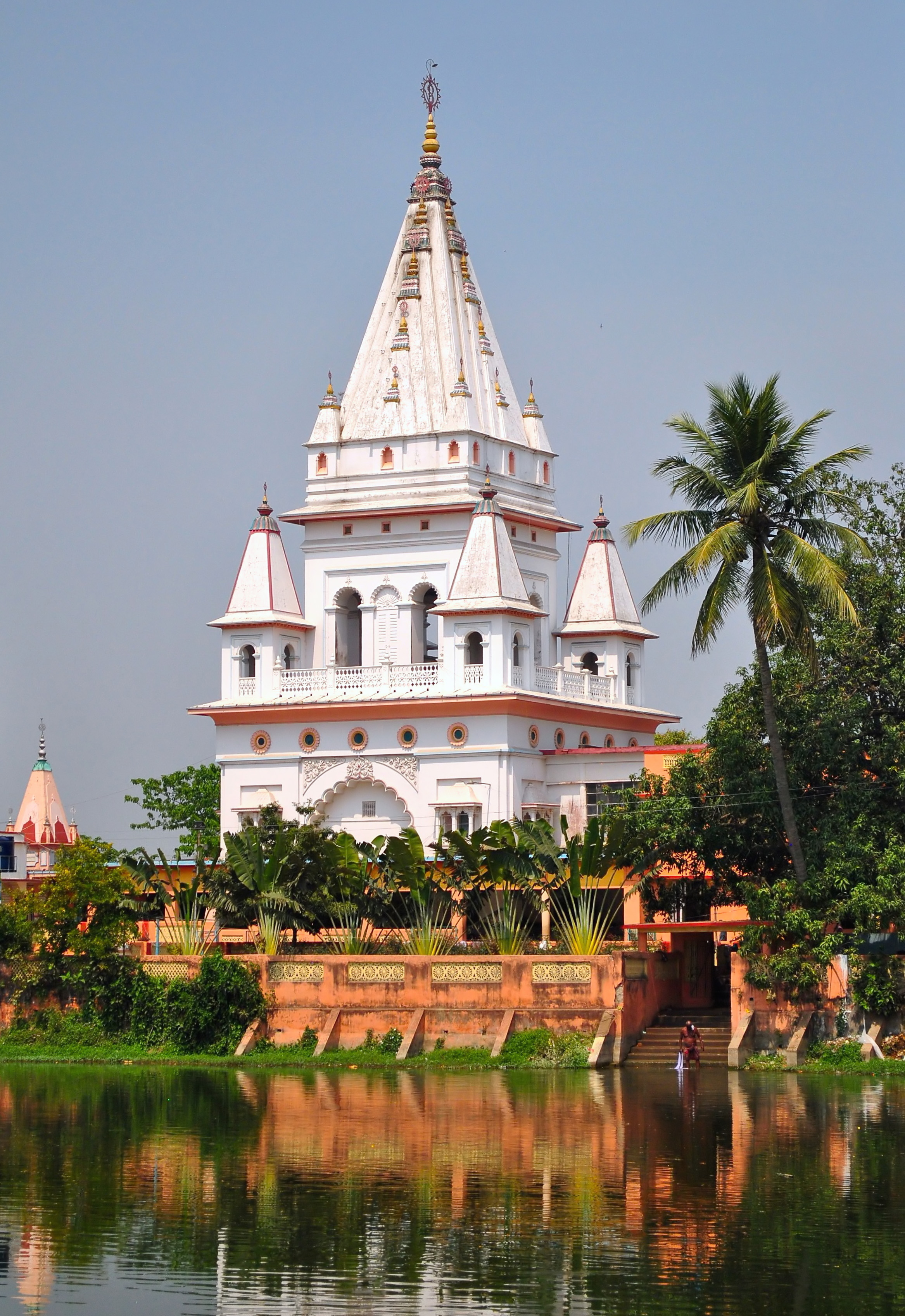
The quintessential spiritual geography of the nine sacred islands of Navadvīpa, revealing their non-different identity with Śrī Vṛndāvana-dhāma.
Fifty songs of unparalleled surrender and spiritual confession, systematically manifesting the six limbs of exclusive surrender unto Śrī Kṛṣṇa.
The seminal authoritative commentary on Śrī Caitanya-caritāmṛta, elucidating its deepest theological nuances with chapter-by-chapter summaries.
A landmark English monograph presenting the life and theological precepts of Śrī Caitanya Mahāprabhu to universities and intellectuals of the Western world.
The pioneering monthly spiritual journal founded and edited by Bhaktivinoda Ṭhākura, later continued by Śrīla Bhaktisiddhānta Sarasvatī as 'The Harmonist'.
Śrīla Bhaktivinoda Ṭhākura structured the profound philosophy of Sri Caitanya Mahāprabhu into a systematic journey of awakening—from recognizing the soul to sharing divine love.
Recognize that your true self is not the temporary physical body or restless mind, but an eternal conscious particle of spiritual light whose natural function is pure love.
Transcend dry abstractions of the Divine to encounter Śrī Kṛṣṇa and Śrī Caitanya Mahāprabhu—the supreme reservoir of beauty, compassion, and all-attractive qualities.
Spiritual life begins with genuine humility—taking shelter of an authentic spiritual master, honoring the Vaiṣṇavas, and learning to serve with love.
Awaken dormant spiritual love through the sublime chanting of the Hare Kṛṣṇa mahā-mantra, mindful japa without offenses, and steady contemplative practice.
Integrate your daily vocation, family life, and societal service into an unbroken offering of love, as exemplified by Bhaktivinoda's own magistrate life.
Join the marketplace of the Holy Name (Nāma-haṭṭa), sharing the joyful tidings of divine love with friends, neighbors, and truth-seekers worldwide.
A historical mission-continuity narrative demonstrating how the divine impulse of Śrī Caitanya Mahāprabhu was preserved, organized, and carried around the world.
*Note: This sequence highlights pivotal milestones in the historical dissemination of the saṅkīrtana mission and does not represent a full disciplic succession (guru-paramparā) diagram.
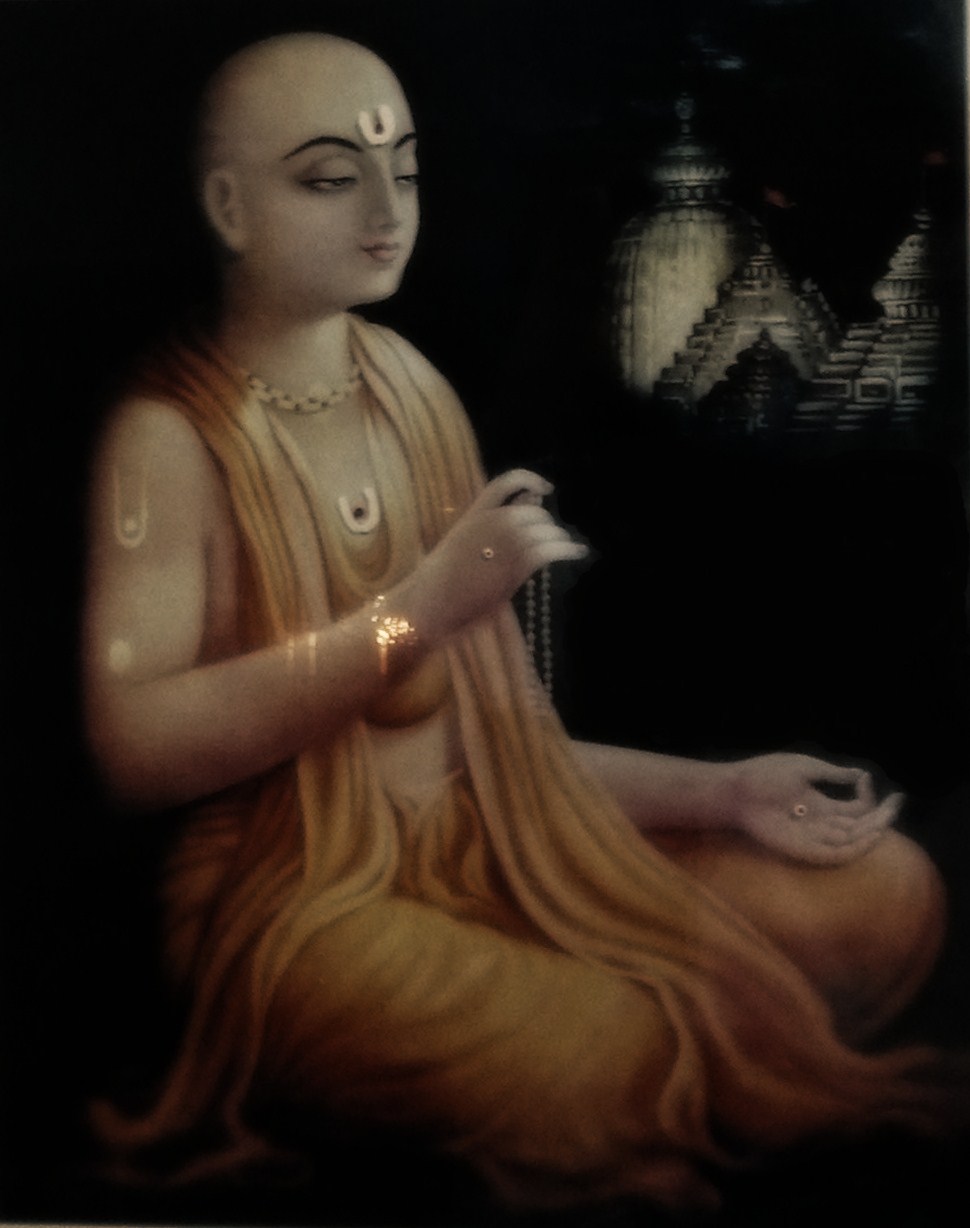
Appeared in Navadvīpa to inaugurate the yuga-dharma of chanting the Holy Name and prophesied that His name would be sung in every town and village.
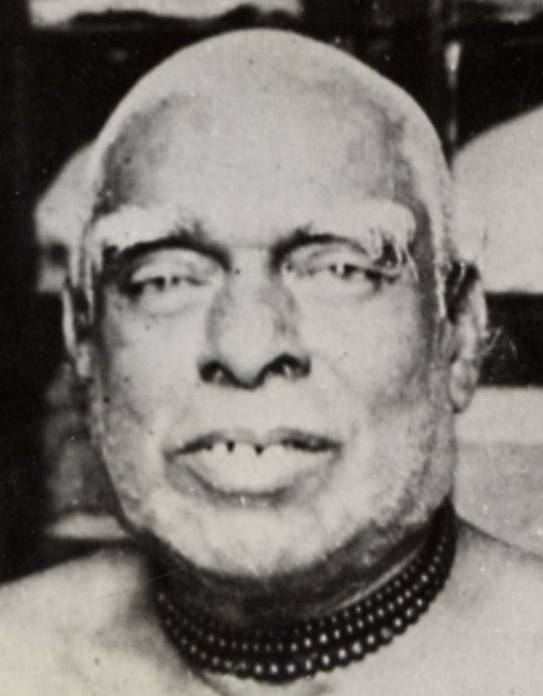
Revived the sacred birthplace of Mahāprabhu at Mayapur, established widespread congregational Nāma-haṭṭa preaching, and cast the spiritual vision across the oceans.
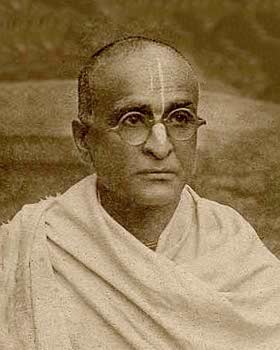
The visionary fourth son of Bhaktivinoda Ṭhākura who organized sixty-four Gauḍīya Maṭha centers and instructed his disciples to preach in English across the West.
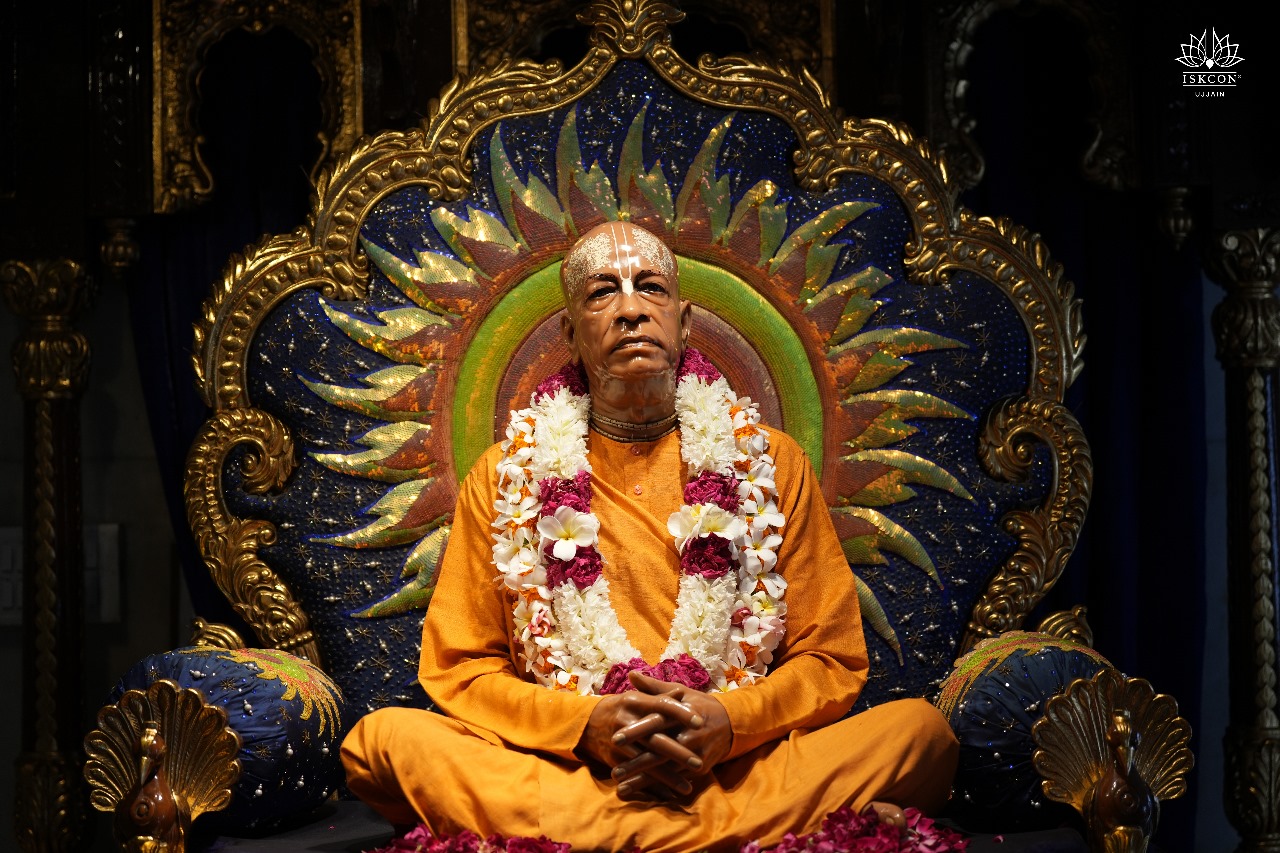
Traveled alone across the ocean at age sixty-nine aboard the steamship Jaladuta, fulfilling the desires of Mahāprabhu and Bhaktivinoda Ṭhākura in every corner of the earth.
20 questions. A journey through his life, teachings and mission.
Questions selected from a pool of 60 — every attempt is unique.
In 1896, while stationed in Bengal, Śrīla Bhaktivinoda Ṭhākura composed Sri Chaitanya Mahaprabhu: His Life and Precepts in English and mailed copies to McGill University in Canada, the Royal Asiatic Society in London, and universities across Europe.
He poured out his heart in his journal Sajjana-toṣaṇī, yearning for the day when seekers across all continents would embrace in the streets of Śrī Mayapur, singing the Holy Name in transcendental fraternity. Seven decades later, that prophetic prayer began its global fulfillment through Śrīla Prabhupāda’s journey on the steamship Jaladuta.
“He used to go to preach about Caitanya's philosophy. He used to sell books to foreign countries.”
This website gathers historical, theological, bibliographical, and audiovisual material about Śrīla Saccidānanda Bhaktivinoda Ṭhākura from authoritative sources. If you have authentic references, historical material, archival photographs, or have noticed an inaccuracy, we warmly welcome your seva.
Authentic references and supporting sources are especially helpful.
Write to Us