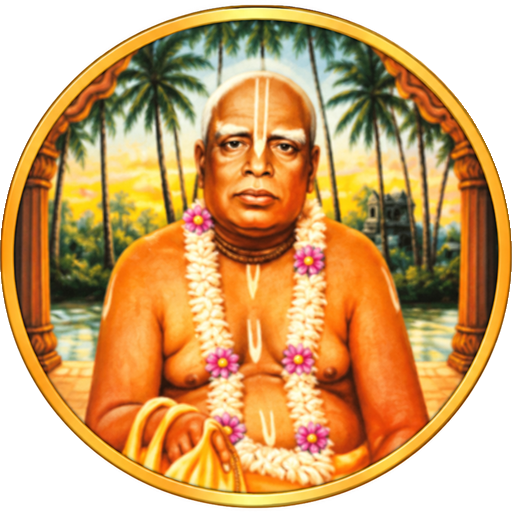
The Sacred Geography of Śrīla Bhaktivinoda Ṭhākura
Where the major events of Bhaktivinoda Ṭhākura's life, bhajana, literary triumphs, and preaching mission unfolded—from the ancestral groves of Ula and judicial postings across Bengal and Bihar, to the sacred shores of Purī and the glorious rediscovery of Śrī Mayapur.
The Rediscovery of Śrī Yoga-pīṭha
Through rigorous cartographical analysis, ancient revenue surveys, and the ecstatic divine confirmation of Śrīla Jagannātha Dāsa Bābājī Mahārāja dancing beneath the sacred neem tree, Bhaktivinoda Ṭhākura restored the authentic appearance site of Śrī Caitanya Mahāprabhu to the world.
Surabhi Kuñja & Godrumadvīpa
From his operational headquarters at Śrī Surabhi Kuñja, the Ṭhākura organized the worldwide revival of Lord Nityānanda's Nāma-haṭṭa marketplace. Here in 1896, he concluded his masterwork Jaiva Dharma, laying out the definitive science of the Holy Name and the Daśa-mūla.
The Geographical Journey
Trace the sacred geographical route of Śrīla Bhaktivinoda Ṭhākura through ten pivotal stages, witnessing how worldly duties merged into transcendental service.
Bengal & Bihar Administrative Postings
Magisterial Career & Judicial Integrity
Jagannātha Purī (Śrī Kṣetra)
Temple Administration & Seafront Contemplation
Śrī Surabhi Kuñja (Godrumadvīpa)
Nāma-haṭṭa Center & Completion Place of Jaiva Dharma
Śrī Svānanda-sukhada-kuñja
Devotional Residence, Bhajana Grove & Puṣpa-Samādhi
Bhakti Bhavan (Maniktala, Calcutta)
Final Town Residence & Place of Disappearance
Geographical Sphere of Śrīla Bhaktivinoda Ṭhākura
From his birthplace in Ula and administrative postings across Bengal and Bihar, to his divine superintendence at Purī and the glorious rediscovery of Śrī Mayapur.
Complete Geographical Index & Regional Directory
A semantic catalog of all key locations, classifications, and historical associations for screen-readers and textual navigation:
- Śrī Yoga-pīṭha: The exact appearance site of Śrī Caitanya Mahāprabhu under the sacred neem tree in Śrī Mayapur.
- Navadvīpa-Māyāpur Dhāma: The nine sacred islands, revived through the Ṭhākura's research, writing, and annual parikramā tradition.
- Godrumadvīpa: The island representing kīrtana where the Ṭhākura established his preaching headquarters.
- Śrī Surabhi Kuñja: Center of the Nāma-haṭṭa network and historical completion place of Jaiva Dharma (1896).
- Śrī Svānanda-sukhada-kuñja: Personal bhajana grove, devotional residence, and sacred puṣpa-samādhi shrine.
- Ula (Birnagar): Birthplace and ancestral home of Kedāranātha Datta (September 2, 1838).
- Calcutta (Kolkata): Hindu College education, literary circles, legal studies, and extensive publishing.
- Bhakti Bhavan (Maniktala): Final urban residence and solemn site of disappearance on June 23, 1914.
- Jagannātha Purī (Śrī Kṣetra): Government temple superintendent (1870–74), birth of Sarasvatī Ṭhākura, and seaside Bhakti-kuṭīra.
- Administrative Postings (Bengal & Bihar): Civil court duty in Chhapra, Dinajpur, and Midnapore; first acquisition of Caitanya-caritāmṛta.
Places Associated with the Life and Mission
Carefully distinguishing sacred pilgrimage dhāmas and shrines from historical residences and civil workplace postings.

Ula (Birnagar)
The ancestral village in Nadia district where Kedāranātha Datta (Śrīla Bhaktivinoda Ṭhākura) was born on September 2, 1838.
Calcutta (Kolkata)
The metropolis where Kedāranātha Datta studied at Hindu College, engaged with the Bengal Renaissance, and later conducted extensive publishing.
Bengal & Bihar Administrative Postings
Administrative postings where Magistrate Kedāranātha Datta exercised uncompromising judicial duty and first obtained Caitanya-caritāmṛta.
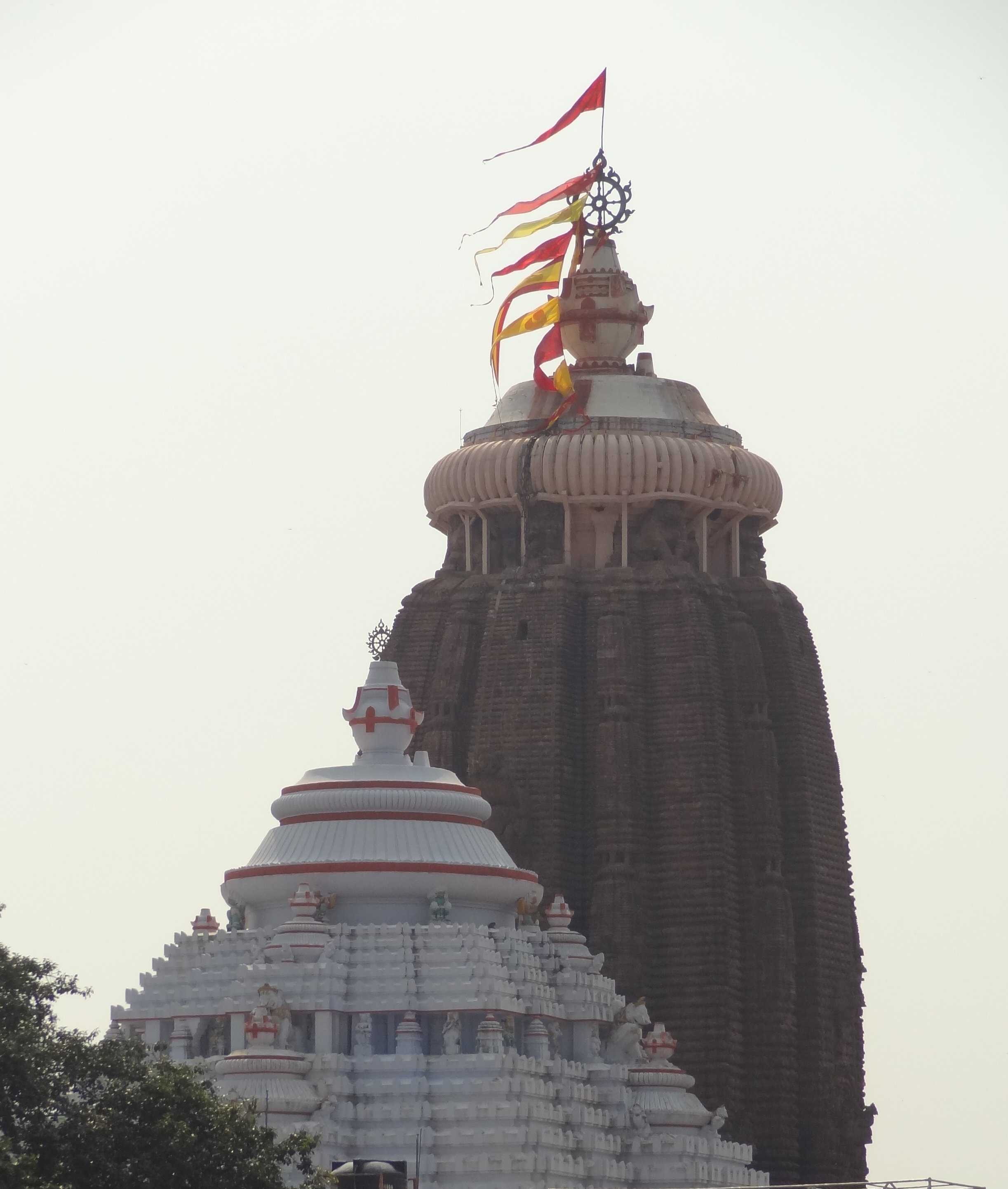
Jagannātha Purī (Śrī Kṣetra)
The sacred dhāma where the Ṭhākura oversaw the Jagannātha Temple, apprehended Bisakisen, fathered Śrīla Bhaktisiddhānta Sarasvatī, and wrote Hari-nāma-cintāmaṇi.
Navadvīpa-Māyāpur Dhāma
The spiritual homeland of Śrī Caitanya Mahāprabhu's divine advent and the central focus of Bhaktivinoda Ṭhākura's life mission and vision.
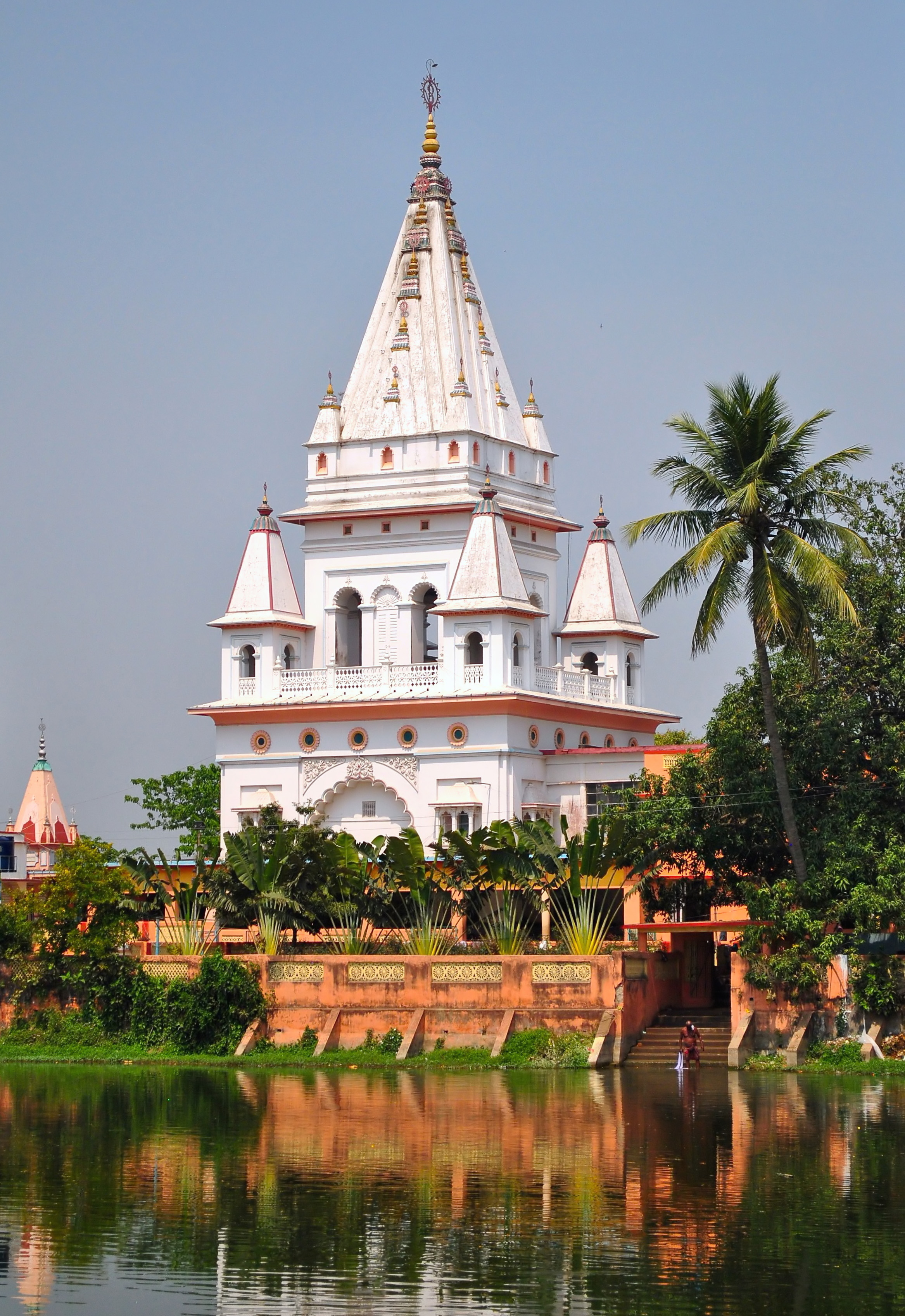
Śrī Yoga-pīṭha (Māyāpur)
The exact sacred birthplace of Śrī Caitanya Mahāprabhu at Mayapur, discovered and established by Śrīla Bhaktivinoda Ṭhākura.
Godrumadvīpa
One of the nine islands of Navadvīpa, situated on the eastern bank of the Ganges, representing the devotional limb of kīrtana.
Śrī Surabhi Kuñja (Godrumadvīpa)
The pastoral center in Godrumadvīpa where the Ṭhākura established the Nāma-haṭṭa movement and completed his philosophical magnum opus Jaiva Dharma in 1896.
Śrī Svānanda-sukhada-kuñja
Bhaktivinoda Ṭhākura's personal devotional residence and secluded bhajana grove at Godrumadvīpa, housing his sacred puṣpa-samādhi.
Bhakti Bhavan (Maniktala, Calcutta)
The quiet Calcutta urban residence where the Ṭhākura lived during his final years and entered samādhi on June 23, 1914.
The Vision for Śrī Mayapur Fulfilled
How the founder-ācārya of ISKCON realized Śrīla Bhaktivinoda Ṭhākura's prophetic vision for the spiritual capital of the world.
“And he excavated the birthplace of Lord Caitanya, organized how to develop that birth site, Māyāpur.”
Continue Exploring the Heritage
Connect the sacred places with the Ṭhākura's life, writings, and profound teachings.