 1:10:17
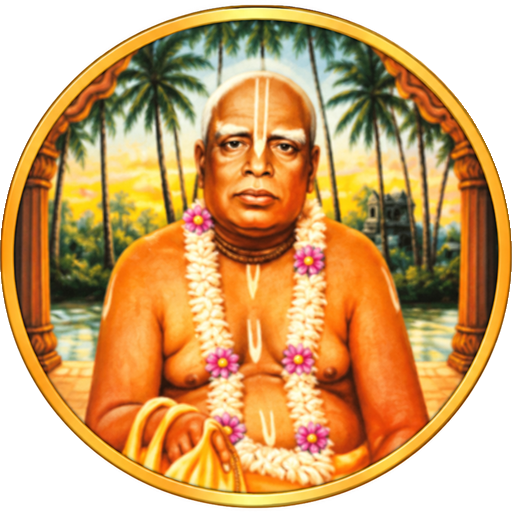
Śrīla Bhaktivinoda Ṭhākura’s Appearance Day Lecture — London 1971
His Divine Grace A.C. Bhaktivedanta Swami Prabhupāda delivers a historic address on the appearance, character, and foundational mission of Śrīla Bhaktivinoda Ṭhākura.
This volume synthesized the vast literature of the Six Gosvāmīs into an organized curriculum accessible to modern practitioners living in ordinary society.
Written in 1886 while serving as deputy magistrate, it became the foundation for Bhaktivinoda's widespread spiritual education program for both householders and ascetics.
“In our disciplic line we have the example of a perfect householder paramahaṁsa — Śrīla Bhaktivinoda Ṭhākura.”
“Bhaktivinoda Ṭhākura was a family man, a magistrate, and still he executed devotional service so nicely.”
“And he has left behind him many books: Caitanya-śikṣāmṛta, Jaiva Dharma.”
All Vedic śāstra is systematically organized into three foundational truths: establishing our relationship with God, executing the practice of devotion, and attaining the ultimate goal of pure divine love.
Read TeachingFamily life is not an obstacle to spiritual realization. Centered on Kṛṣṇa, the household becomes a sanctified temple (bhaktigṛha) where every member progresses toward God.
Read TeachingDaily professional responsibility need not conflict with devotion; by executing one's duty honestly without fruitive greed, work itself becomes an offering of worship.
Read TeachingA profound philosophical treatise presenting the ontological reality of Lord Śrī Kṛṣṇa and the historical continuity of the Bhāgavata tradition to contemporary intellectuals.
Explore WorkBhaktivinoda Ṭhākura's crowning philosophical novel, unveiling through intimate master-disciple dialogues in Godrumadvīpa the constitutional nature of the soul.
Explore WorkCurated lectures, documentaries, and sacred site visits explaining this subject.
This website gathers historical, theological, bibliographical, and audiovisual material about Śrīla Saccidānanda Bhaktivinoda Ṭhākura from authoritative sources. If you have authentic references, historical material, archival photographs, or have noticed an inaccuracy, we warmly welcome your seva.
Authentic references and supporting sources are especially helpful.
Write to Us
