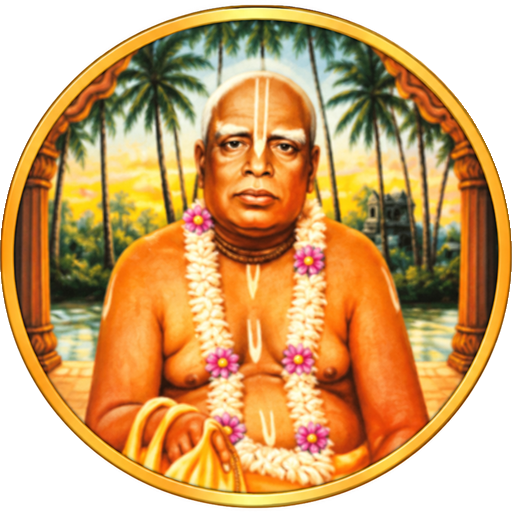
Bhakti Bhavan (Maniktala, Calcutta)
The quiet Calcutta urban residence where the Ṭhākura lived during his final years and entered samādhi on June 23, 1914.

Why This Place Matters
The urban residence and preserved historical landmark where one of the greatest theological architects of the modern era concluded his earthly journey.
Historical Context & Significance
Located on Maniktala Circular Road in north-central Calcutta, Bhakti Bhavan was Śrīla Bhaktivinoda Ṭhākura's urban retreat in his later years. It is historically revered as the holy site where he concluded his earthly pastimes.
In the final period of his life, Bhaktivinoda Ṭhākura divided his time between his Godruma bhajana grove and his family home at Bhakti Bhavan on Maniktala Circular Road. Here he received visitors, gave spiritual counsel, and absorbed himself in deep unceasing meditation on the pastimes of the divine couple. On June 23, 1914, coinciding with the sacred disappearance day of Śrī Gadādhara Paṇḍita, Śrīla Bhaktivinoda Ṭhākura peacefully entered samādhi here. Following solemn observances, his divine form was reverently transported by carriage and ferry back across the Ganges to Godrumadvīpa, where his puṣpa-samādhi was established at Svānanda-sukhada-kuñja.
Connection to Śrīla Bhaktivinoda Ṭhākura
Final town residence; site of his disappearance on June 23, 1914; kept strictly distinct from his puṣpa-samādhi in Godrumadvīpa.
Spiritual Significance in Gauḍīya Vaiṣṇavism
The solemn and sanctified place of disappearance (tirobhāva) of Śrīla Saccidānanda Bhaktivinoda Ṭhākura.