 1:10:17
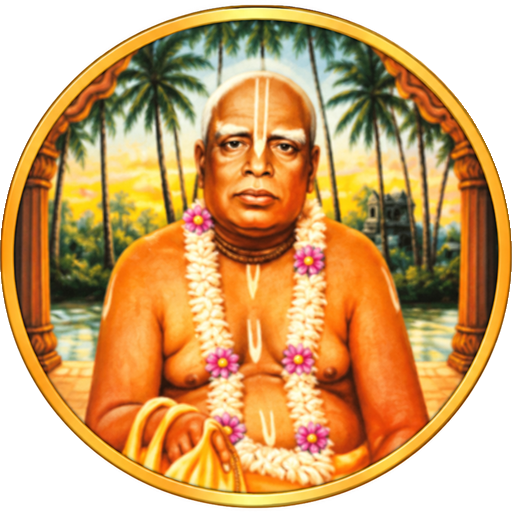
Śrīla Bhaktivinoda Ṭhākura’s Appearance Day Lecture — London 1971
His Divine Grace A.C. Bhaktivedanta Swami Prabhupāda delivers a historic address on the appearance, character, and foundational mission of Śrīla Bhaktivinoda Ṭhākura.
The metropolis where Kedāranātha Datta studied at Hindu College, engaged with the Bengal Renaissance, and later conducted extensive publishing.

Epicenter of the 19th-century Bengal Renaissance and the meeting ground of colonial education and indigenous spiritual revival.
Calcutta was the intellectual and administrative capital of 19th-century British India. It served as the crucible where young Kedaranath confronted Western rationalism and where he later printed his pioneering spiritual journals and treatises.
Moving to Calcutta in 1852 to stay with his maternal uncle, Kedaranath entered Hindu College in 1856. He immersed himself in Western philosophy, history, and literature, developing personal associations with prominent figures of the Bengal Renaissance including Ishwar Chandra Vidyasagar, Michael Madhusudan Dutt, and Dwijendranath Tagore. While many contemporaries embraced skepticism, Kedaranath systematically probed Western and Indian theology for the ultimate truth. Decades later, during his judicial career and post-retirement, Calcutta served as his primary printing and intellectual hub, from where he published Sajjana-toṣaṇī and mailed treatises to Western universities.
Site of his higher education, early literary societies, legal studies, major publishing undertakings, and intellectual dialogues with leading contemporary scholars.
Curated lectures, documentaries, and sacred site visits explaining this subject.
This website gathers historical, theological, bibliographical, and audiovisual material about Śrīla Saccidānanda Bhaktivinoda Ṭhākura from authoritative sources. If you have authentic references, historical material, archival photographs, or have noticed an inaccuracy, we warmly welcome your seva.
Authentic references and supporting sources are especially helpful.
Write to Us
