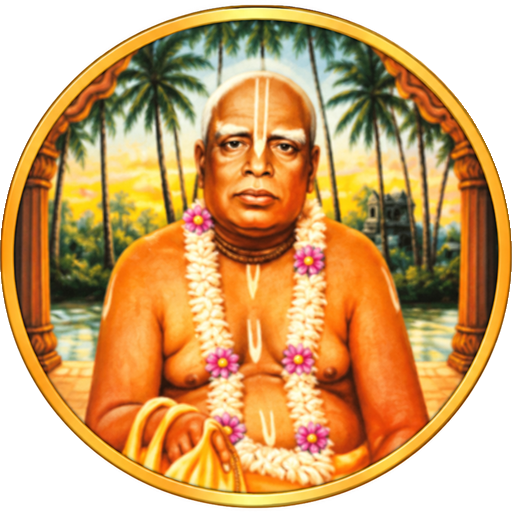
 Editorial Graphic
Ula-Birnagar: Birthplace & Ancestral Heritage
Editorial graphic representing Ula-Birnagar, the birthplace of Kedarnatha Datta.
The ancestral village in Nadia district where Kedāranātha Datta (Śrīla Bhaktivinoda Ṭhākura) was born on September 2, 1838.
Ula represented the apex of traditional rural Bengali aristocracy and learning before regional epidemics in the mid-19th century forced many aristocratic families to migrate to Calcutta.
Situated approximately twenty miles south of Krishnanagar in Nadia, Ula was an ancient, cultured, and affluent settlement celebrated for scholars and philanthropic zamindars. Here the Ṭhākura was born into an illustrious lineage.
Young Kedaranath spent his formative early childhood here in the grand ancestral estate of his maternal grandfather, Ishwar Chandra Mustauphi. Surrounded by learned discourses, recitations of the Rāmāyaṇa and Mahābhārata, and traditional village life, his contemplative nature manifested at an early age. When devastating fever epidemics decimated Ula in the early 1850s, striking his relatives and dissolving the town's prosperity, Kedaranath was confronted directly with the fleeting nature of material opulence—an experience that profoundly deepened his spiritual introspection.
Birthplace of Kedāranātha Datta on September 2, 1838. His early memories and reflections on Ula are vividly recorded in his autobiographical letters (Svalikhita-jīvanī).
The sanctified appearance place of an eternal associate of Śrī Caitanya Mahāprabhu who descended to revive and globalize pure Gauḍīya Vaiṣṇavism.
Historical photographs, manuscript records, and sacred geography connected with this theme.
Curated lectures, documentaries, and sacred site visits explaining this subject.
This website gathers historical, theological, bibliographical, and audiovisual material about Śrīla Saccidānanda Bhaktivinoda Ṭhākura from authoritative sources. If you have authentic references, historical material, archival photographs, or have noticed an inaccuracy, we warmly welcome your seva.
Authentic references and supporting sources are especially helpful.
Write to Us