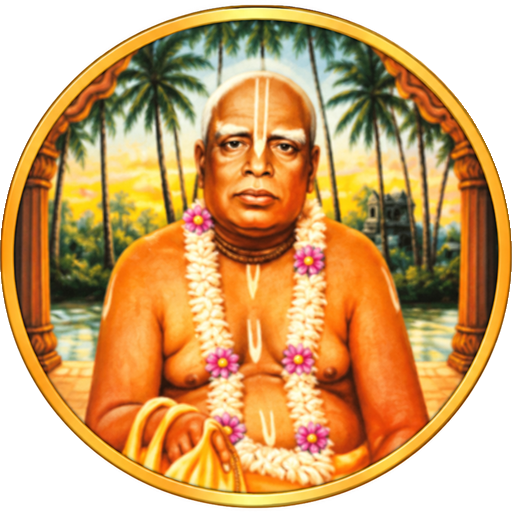
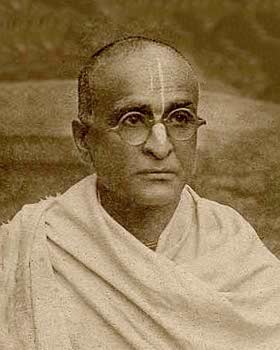
 Historical Original
Śrīla Bhaktisiddhānta Sarasvatī Ṭhākura (Historical Portrait)
Śrīla Bhaktisiddhānta Sarasvatī Ṭhākura (1874–1937), son and missionary successor.
The sacred dhāma where the Ṭhākura oversaw the Jagannātha Temple, apprehended Bisakisen, fathered Śrīla Bhaktisiddhānta Sarasvatī, and wrote Hari-nāma-cintāmaṇi.
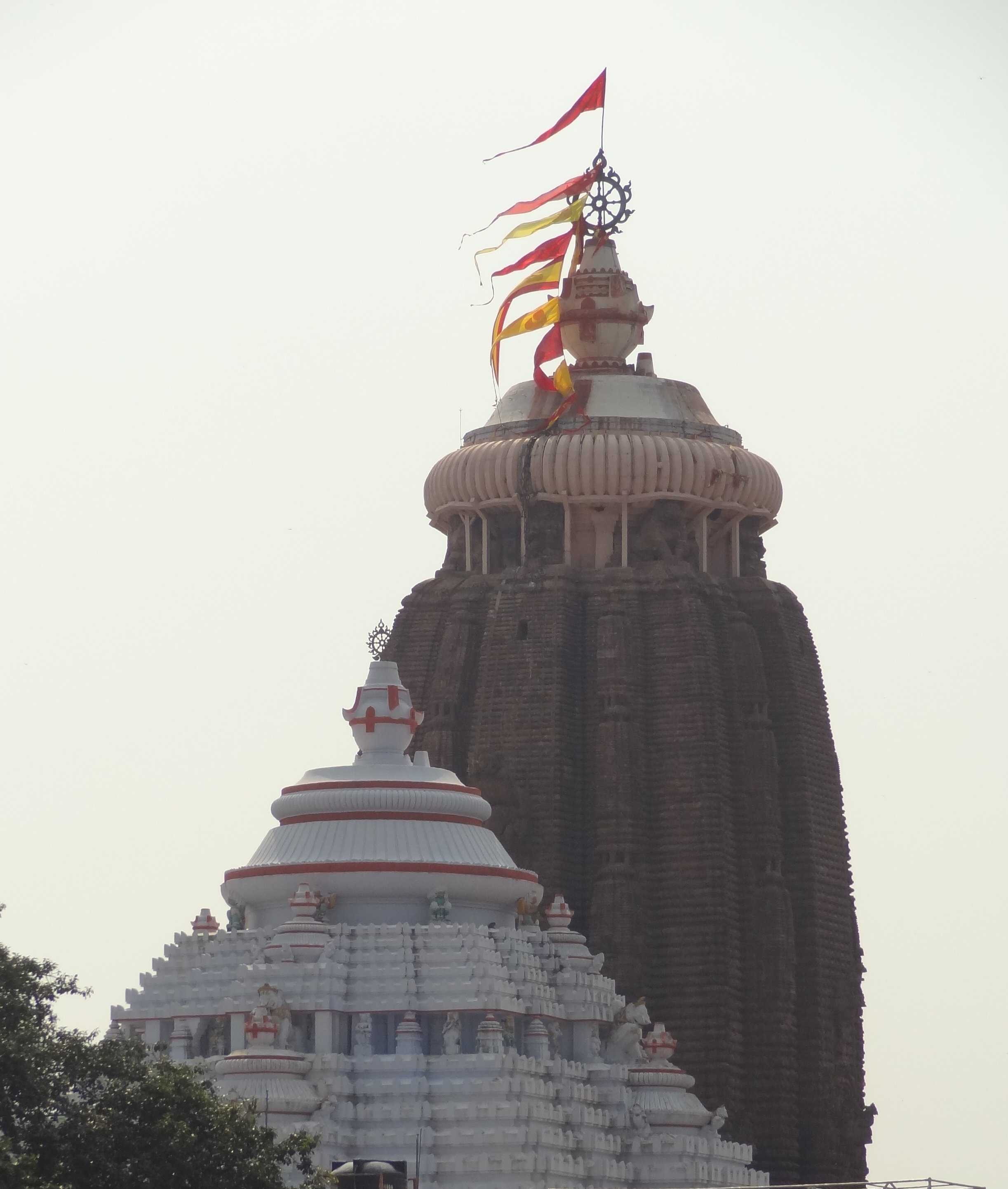
Ancient spiritual capital of Orissa and home of Lord Jagannātha; site of Mahāprabhu's final eighteen years of ecstatic devotional absorption.
Jagannātha Purī holds a pivotal position in Bhaktivinoda Ṭhākura's life. He served as government administrator of the ancient temple from 1870 to 1874, established Bhakti-kuṭīra near the sea, and was deeply immersed in Mahāprabhu's Purī pastimes.
In 1870, the Bengal government appointed Magistrate Kedaranath Datta to oversee law, order, and temple management at Purī. He restored discipline to temple worship, safeguarded pilgrims, and confronted the mystic imposter Bisakisen who was terrorizing local villagers. On February 6, 1874, his fourth son Bimala Prasad (Śrīla Bhaktisiddhānta Sarasvatī Ṭhākura) appeared here, receiving Lord Jagannātha's chariot garland during Ratha-yātrā. Decades later, at his seaside residence Bhakti-kuṭīra near the samādhi of Śrīla Haridāsa Ṭhākura, Bhaktivinoda entered deep devotional contemplation and dictated Hari-nāma-cintāmaṇi.
Served as Deputy Magistrate and special superintendent of the Jagannātha Temple; established Bhakti-kuṭīra; advent place of Śrīla Bhaktisiddhānta Sarasvatī; composition of Hari-nāma-cintāmaṇi.
Eternal dhāma manifesting the zenith of viraha-bhāva (love in separation). The location where Śrīla Haridāsa Ṭhākura chanted three hundred thousand holy names daily.
Historical photographs, manuscript records, and sacred geography connected with this theme.
Curated lectures, documentaries, and sacred site visits explaining this subject.
This website gathers historical, theological, bibliographical, and audiovisual material about Śrīla Saccidānanda Bhaktivinoda Ṭhākura from authoritative sources. If you have authentic references, historical material, archival photographs, or have noticed an inaccuracy, we warmly welcome your seva.
Authentic references and supporting sources are especially helpful.
Write to Us