 1:20:14
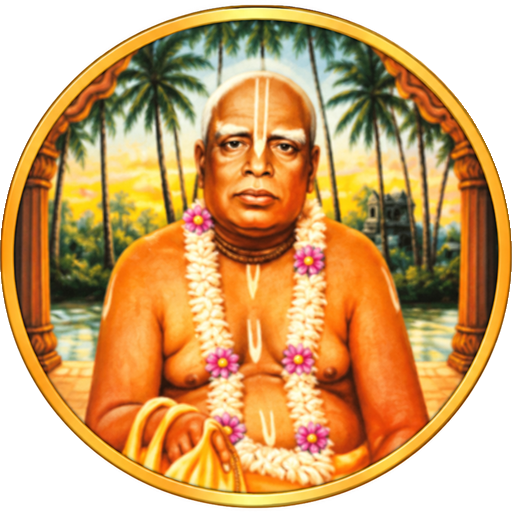
Śrīla Bhaktivinoda Ṭhākura’s Nāma Kīrtana (Part 1) — HG Amarendra Dāsa
A stirring and devotional exposition on Śrīla Bhaktivinoda Ṭhākura's immortal songs of the Holy Name, their mood, meaning, and theological depth.
The pastoral center in Godrumadvīpa where the Ṭhākura established the Nāma-haṭṭa movement and completed his philosophical magnum opus Jaiva Dharma in 1896.

The operational center of the modern congregational revival of Gauḍīya Vaiṣṇavism and the confirmed historical completion site of Jaiva Dharma in 1896.
Surabhi Kuñja is the celebrated grove in Godrumadvīpa established by Śrīla Bhaktivinoda Ṭhākura in 1889 as the command headquarters for his organized congregational preaching network across rural Bengal.
From Surabhi Kuñja, Bhaktivinoda mobilized the Nāma-haṭṭa ('Marketplace of the Holy Name'), establishing a systematic pastoral framework with appointed travelling ministers, teachers, and regional assemblies. Thousands of village householders were trained in chanting, śāstric study, and Vaiṣṇava ethics. Crucially, the historical colophon and author's appendix of Jaiva Dharma explicitly places the completion of that immortal theological masterpiece in 1896 at Godruma-Surabhi-kuñja near the Ganges. The profound philosophical dialogues in Jaiva Dharma—expounding the ten ontological truths (Daśa-mūla) and the science of the Holy Name (Nāma-tattva)—were formulated right here.
Inaugurated the center in 1889; managed the global Nāma-haṭṭa network; completed Jaiva Dharma here in 1896.
The sacred site where Surabhi worshipped Lord Gaura and where Lord Nityānanda opened the eternal marketplace selling the Holy Name for the price of faith.
Curated lectures, documentaries, and sacred site visits explaining this subject.
This website gathers historical, theological, bibliographical, and audiovisual material about Śrīla Saccidānanda Bhaktivinoda Ṭhākura from authoritative sources. If you have authentic references, historical material, archival photographs, or have noticed an inaccuracy, we warmly welcome your seva.
Authentic references and supporting sources are especially helpful.
Write to Us