 Historical Original
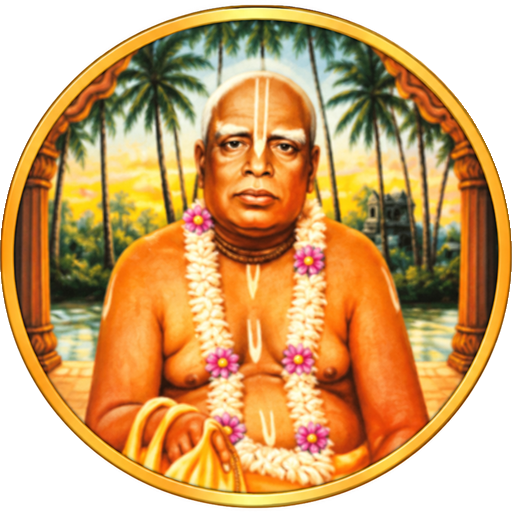
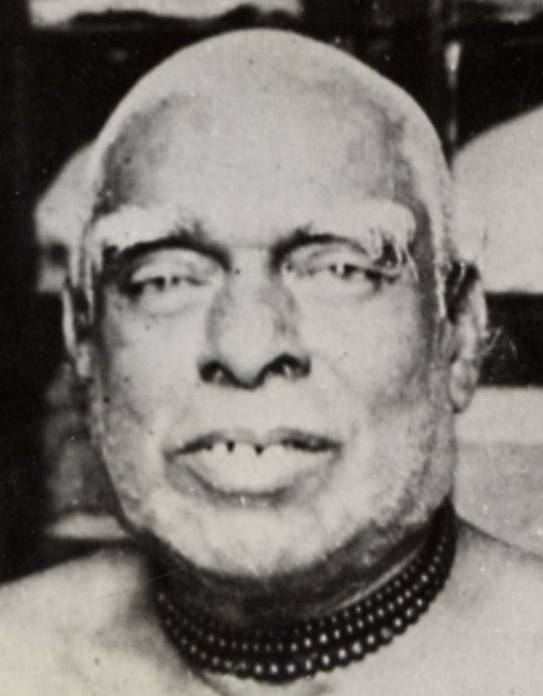
Śrīla Bhaktivinoda Ṭhākura (Formal Portrait, c. 1900)
Śrīla Bhaktivinoda Ṭhākura (1838–1914) in formal portrait, c. 1900–1910.
Bhaktivinoda Ṭhākura's personal devotional residence and secluded bhajana grove at Godrumadvīpa, housing his sacred puṣpa-samādhi.

The preserved physical residence, personal worship room, and sacred puṣpa-samādhi of Śrīla Bhaktivinoda Ṭhākura in Nadia.
Nestled beside the sacred Sarasvatī stream in Godrumadvīpa, Śrī Svānanda-sukhada-kuñja was the personal devotional haven constructed by Śrīla Bhaktivinoda Ṭhākura in the 1890s for his private meditation and bhajana.
Here in this serene grove, surrounded by sacred trees and flowering creepers, Bhaktivinoda Ṭhākura spent his quiet devotional hours in deep contemplation, japa, and prayer. It is essential to distinguish this physical historical residence from the confidential internal spiritual grove of the same name described in his devotional songs, which refers to the transcendental bower of Lalitā-sakhī in Goloka Vṛndāvana. Following his retirement from civil duty and especially after receiving the bābājī-veṣa in 1908 under Śrīla Gaura Kiśora Dāsa Bābājī's inspiration, he deepened his absorption here. Following his disappearance in Calcutta in 1914, his sacred mortal remains were conveyed here, where his revered puṣpa-samādhi mandira stands today alongside that of Śrīla Gaura Kiśora Dāsa Bābājī Mahārāja.
Personal devotional retreat and bhajana-kuṭīra; site of his formal puṣpa-samādhi and that of Śrīla Gaura Kiśora Dāsa Bābājī Mahārāja.
A place of supreme devotional solace where pilgrims worship the puṣpa-samādhi of the Ṭhākura and pray for his empowering blessings in the practice of pure devotional service.
Historical photographs, manuscript records, and sacred geography connected with this theme.
Curated lectures, documentaries, and sacred site visits explaining this subject.
This website gathers historical, theological, bibliographical, and audiovisual material about Śrīla Saccidānanda Bhaktivinoda Ṭhākura from authoritative sources. If you have authentic references, historical material, archival photographs, or have noticed an inaccuracy, we warmly welcome your seva.
Authentic references and supporting sources are especially helpful.
Write to Us

