 Historical Original
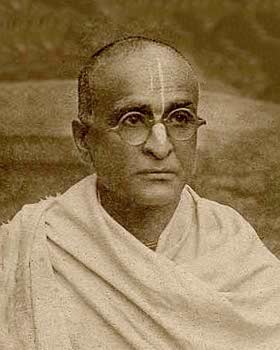
Śrīla Bhaktisiddhānta Sarasvatī Ṭhākura (Historical Portrait)
Śrīla Bhaktisiddhānta Sarasvatī Ṭhākura (1874–1937), son and missionary successor.
The exact sacred birthplace of Śrī Caitanya Mahāprabhu at Mayapur, discovered and established by Śrīla Bhaktivinoda Ṭhākura.
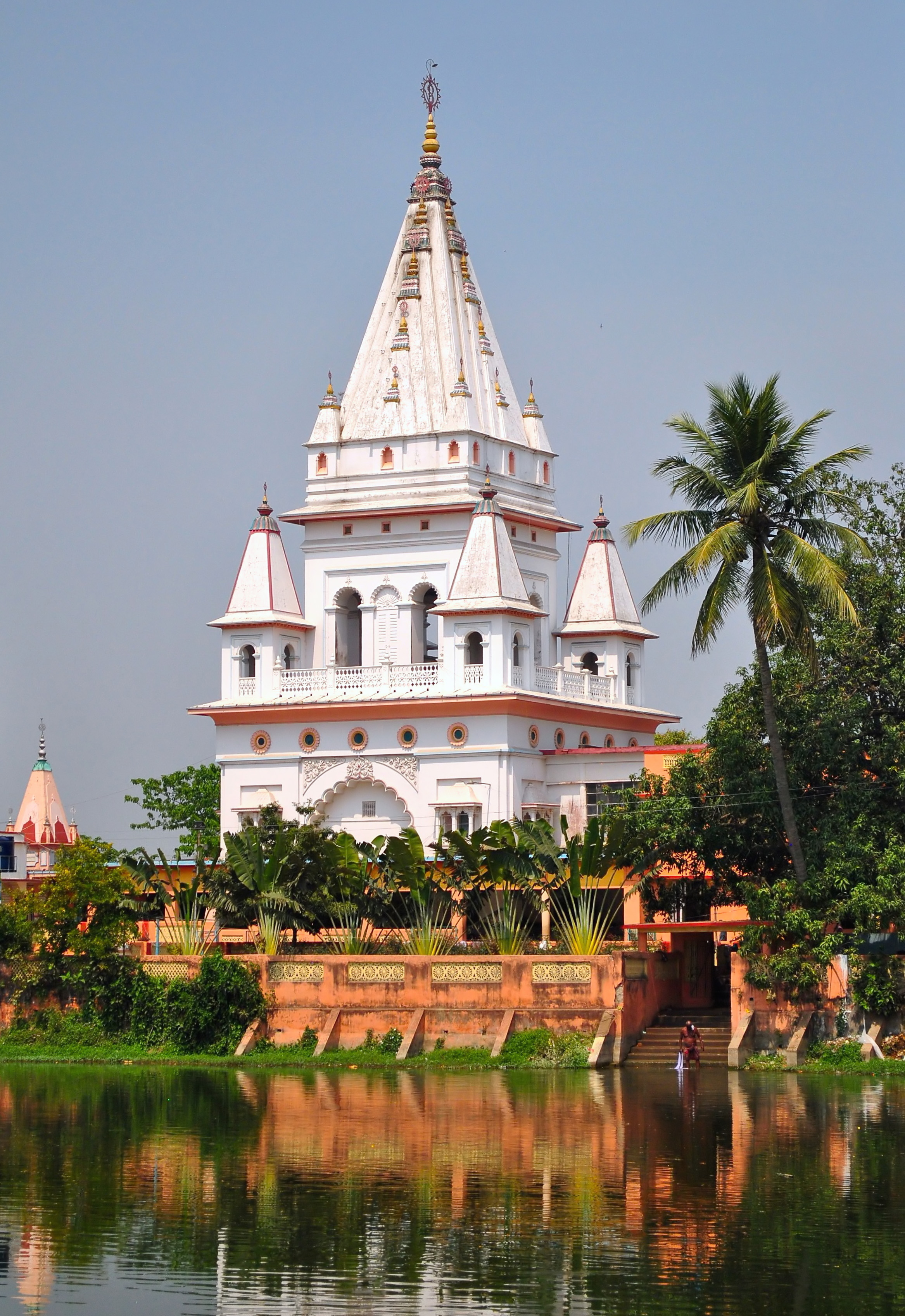
The documented discovery and establishment of Mahāprabhu's authentic birthplace, overcoming 19th-century geographical ambiguity.
Located on the island of Antardvīpa in Śrī Mayapur, Śrī Yoga-pīṭha is the sanctified spot where the Supreme Personality of Godhead, Śrī Caitanya Mahāprabhu, appeared on Phalguna Pūrṇimā in 1486 under a sacred neem tree.
Over four centuries, shifting courses of the Ganges had obscured the authentic appearance site of Mahāprabhu. Many mistakenly believed the town of modern Navadvīpa on the western bank was the ancient site. Guided by intense devotion and scholarship, Bhaktivinoda Ṭhākura studied 18th-century revenue maps, the Caitanya-bhāgavata, and local topographical markers, locating the site on the eastern bank. In 1888, while meditating on his roof in Krishnanagar, he witnessed a brilliant spiritual effulgence emanating from the location. When his śikṣā-guru, the venerable paramahaṁsa Śrīla Jagannātha Dāsa Bābājī Mahārāja, visited the mound under the neem tree and danced in ecstasy shouting 'Ei to Gaura-janma-bhūmi!', the site was definitively established. Bhaktivinoda founded the Śrī Mayapur Seva Samiti and erected the first temple with installed deities of Gaura-Viṣṇupriyā.
Identified the authentic birthsite through historical, geographical, and spiritual evidence; established the Mayapur Seva Samiti; constructed the shrine and installed the original deities.
The transcendental center of Navadvīpa-dhāma, where the Golden Avatāra inaugurated the congregational chanting of the Hare Kṛṣṇa mahā-mantra.
Historical photographs, manuscript records, and sacred geography connected with this theme.
Curated lectures, documentaries, and sacred site visits explaining this subject.
This website gathers historical, theological, bibliographical, and audiovisual material about Śrīla Saccidānanda Bhaktivinoda Ṭhākura from authoritative sources. If you have authentic references, historical material, archival photographs, or have noticed an inaccuracy, we warmly welcome your seva.
Authentic references and supporting sources are especially helpful.
Write to Us