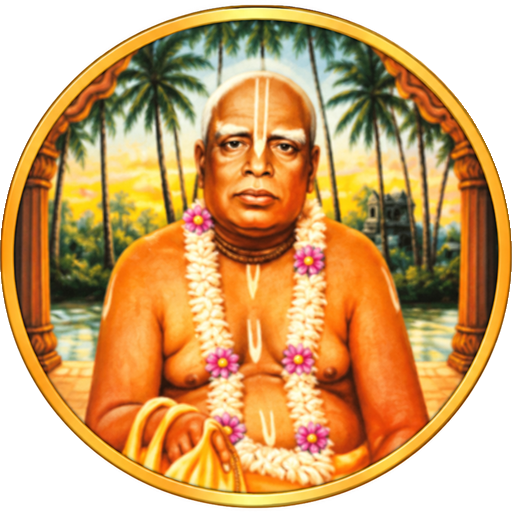
Guru-tattva: Spiritual Guidance and the Guru-Disciple Bond
Spiritual realization is not attained through unaided intellectual speculation; one must accept guidance from a genuine self-realized spiritual master situated in authorized disciplic succession.
The Essential Teaching
Understanding the Teaching
Bhaktivinoda distinguishes between the dīkṣā-guru (initiating spiritual master who bestows the mantra and establishes formal relationship) and śikṣā-gurus (instructing spiritual masters who guide daily practice). Both are to be revered with equal devotion as manifestations of Kṛṣṇa's compassion.
Practical Reflection for Daily Life
Approach spiritual mentors with sincere inquiries and a humble spirit of service: 'tad viddhi praṇipātena paripraśnena sevayā.'
In the Writings of Śrīla Bhaktivinoda Ṭhākura
Śrī Caitanya-śikṣāmṛta
The nectarean teachings of Lord Caitanya systematically classified into eight distinct showers (vṛṣṭis) covering ethics, ontology, sādhanā, and divine love.
Explore WorkJaiva Dharma
Bhaktivinoda Ṭhākura's crowning philosophical novel, unveiling through intimate master-disciple dialogues in Godrumadvīpa the constitutional nature of the soul.
Explore WorkŚrīla Prabhupāda Explains
“So Bhaktivinoda Ṭhākura is an ideal guru. He was not a sannyāsī; he was gṛhastha, householder, living with family, wife, children. Still, he was guru.”
“He was one of the ācāryas of this disciplic succession from Kṛṣṇa.”
Related Philosophical Topics
Vaiṣṇava-tattva: Recognizing the Sincere Devotee
A Vaiṣṇava is one whose heart is dedicated to the pleasure of Lord Kṛṣṇa, characterized by compassion, absence of malice, and attachment to the Holy Name.
Read TopicVaiṣṇava-sevā: The Highway to Divine Grace
Serving the sincere devotees of the Lord is even more dear to Kṛṣṇa than direct worship of Him, and is the quickest way to dissolve false pride.
Read TopicŚaraṇāgati: The Six Limbs of Full Surrender
Full surrender to Kṛṣṇa is not passive fatalism, but the active dedication of mind, body, home, and destiny to the care and guidance of the Supreme Lord.
Read TopicPrimary Textual Sources
-
Jaiva Dharma
— Chapter 20
The qualifications of guru and disciple and the necessity of initiation.