 1:10:17
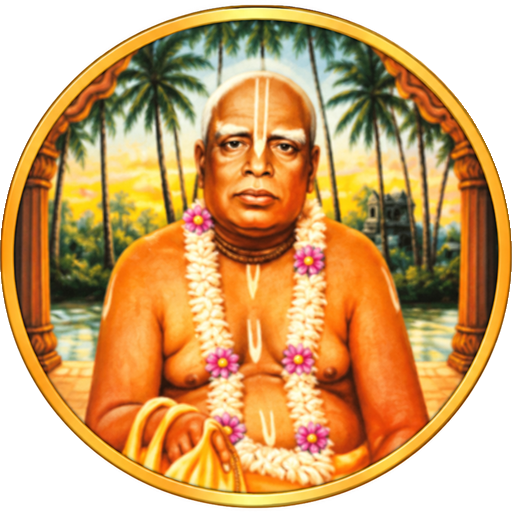
Śrīla Bhaktivinoda Ṭhākura’s Appearance Day Lecture — London 1971
His Divine Grace A.C. Bhaktivedanta Swami Prabhupāda delivers a historic address on the appearance, character, and foundational mission of Śrīla Bhaktivinoda Ṭhākura.
The living entity is neither the mortal body nor the fluctuating mind, but an eternal conscious particle of spiritual energy whose eternal nature is loving service to Kṛṣṇa.
Ontologically, the jīva belongs to Bhagavān's marginal energy (taṭasthā-śakti). Situated between the internal spiritual realm (cit-śakti) and the external inert realm (māyā-śakti), the soul possesses innate minute independence. When the soul gazes toward Kṛṣṇa, it experiences eternal bliss; when it turns away, it falls into material conditioning, identifying with matter and suffering the cycle of birth and death.
Begin each day by remembering: 'I am not this perishable body; I am an eternal conscious servant of God. My true happiness lies in divine loving connection, not in temporary bodily agitation.'
The nectarean teachings of Lord Caitanya systematically classified into eight distinct showers (vṛṣṭis) covering ethics, ontology, sādhanā, and divine love.
Explore WorkBhaktivinoda Ṭhākura's crowning philosophical novel, unveiling through intimate master-disciple dialogues in Godrumadvīpa the constitutional nature of the soul.
Explore WorkA concise, incisive philosophical treatise analyzing reality, knowledge, and the ultimate truth in the tradition of classical Indian philosophical sūtras.
Explore Work“He was one of the ācāryas of this disciplic succession from Kṛṣṇa.”
“anādi karama-phale, paḍi’ bhavārṇava-jale, / taribāre nā dekhi upāya”
All Vedic śāstra is systematically organized into three foundational truths: establishing our relationship with God, executing the practice of devotion, and attaining the ultimate goal of pure divine love.
Read TopicForgetfulness of Kṛṣṇa is the root cause of material conditioning, causing the soul to misidentify with inert matter and wander through repeated cycles of birth and death.
Read TopicCurated lectures, documentaries, and sacred site visits explaining this subject.
This website gathers historical, theological, bibliographical, and audiovisual material about Śrīla Saccidānanda Bhaktivinoda Ṭhākura from authoritative sources. If you have authentic references, historical material, archival photographs, or have noticed an inaccuracy, we warmly welcome your seva.
Authentic references and supporting sources are especially helpful.
Write to Us