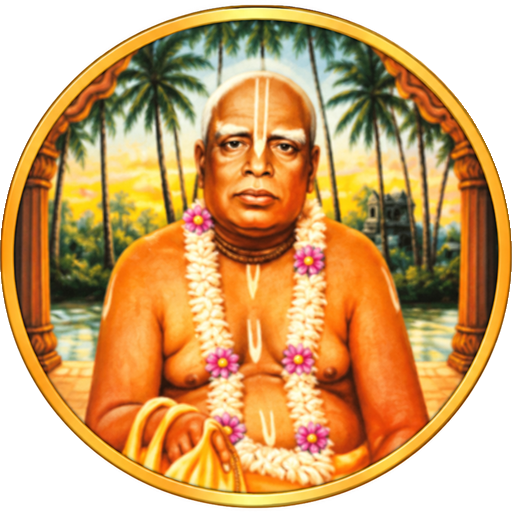
Nāma-aparādha: Overcoming Offenses to the Holy Name
Just as a disease prevents the tongue from tasting sugar candy, offenses to the Holy Name block the soul from tasting spiritual sweetness. Overcoming the ten offenses restores pure devotional taste.
The Essential Teaching
Understanding the Teaching
The remedy for offenses is continuous, humble chanting accompanied by heartfelt remorse and service to the devotees who were offended. Bhaktivinoda stresses that inattentive chanting (pramāda) is the root mother of all offenses and must be conquered through focused daily discipline.
Practical Reflection for Daily Life
If your mind feels dry during chanting, inspect your habits: Have you spoken ill of others? Are you chanting while mentally multitasking? Pray for forgiveness and refocus your heart.
In the Writings of Śrīla Bhaktivinoda Ṭhākura
Hari-nāma-cintāmaṇi
A profound verse exposition recounting Śrīla Haridāsa Ṭhākura's teachings to Lord Caitanya on the chanting of the Holy Name, the ten offenses, and pure japa.
Explore WorkŚrīla Prabhupāda Explains
“A person who is actually a follower of Śrī Bhaktivinoda Ṭhākura must immediately accept the request of Lord Caitanya Mahāprabhu...”
Related Philosophical Topics
Nāma-tattva: The Science of the Holy Name
The Holy Name of Kṛṣṇa is identical with the Supreme Lord Himself, descending as the supreme spiritual medicine and universal spiritual process for this age.
Read TopicGenuine Bhakti, Not Imitation (Avoiding Sahajiyāism)
Bhaktivinoda Ṭhākura rigorously defended pure Gauḍīya siddhānta, warning against artificial displays of ecstasy and cheap imitation of intimate divine pastimes.
Read TopicPrimary Textual Sources
-
Hari-nāma-cintāmaṇi
— Chapters 3–13
Detailed analysis of the ten offenses to the Holy Name and their rectifications.