 Historical Original
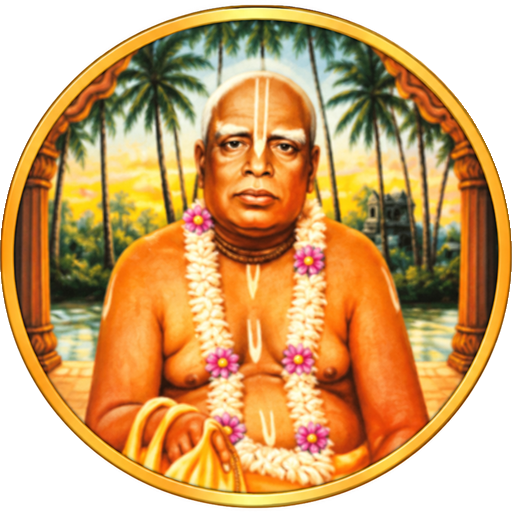
Śrīla Bhaktivinoda Ṭhākura (Formal Portrait, c. 1900)
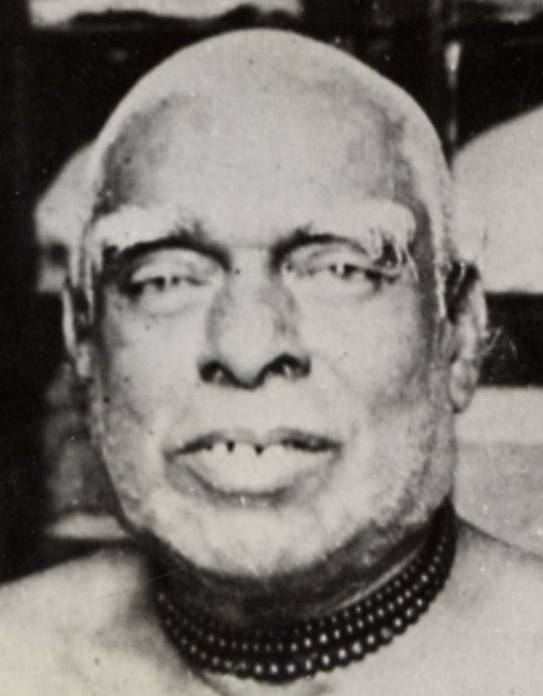
Śrīla Bhaktivinoda Ṭhākura (1838–1914) in formal portrait, c. 1900–1910.
The Holy Name of Kṛṣṇa is identical with the Supreme Lord Himself, descending as the supreme spiritual medicine and universal spiritual process for this age.
Bhaktivinoda explains the three stages of chanting: (1) Nāma-aparādha: offensive chanting where worldly desires obscure the name's power; (2) Nāmābhāsa: the clearing stage where clouds disperse and liberation is attained; (3) Śuddha-nāma: pure chanting in unalloyed love, wherein Kṛṣṇa dances upon the chanter's tongue and reveals His divine form, qualities, and confidential pastimes.
Chant your daily rounds with undivided attention, listening closely to each syllable of the Holy Name as a heartfelt call to Rādhā and Kṛṣṇa.
A profound verse exposition recounting Śrīla Haridāsa Ṭhākura's teachings to Lord Caitanya on the chanting of the Holy Name, the ten offenses, and pure japa.
Explore WorkFifty songs of unparalleled surrender and spiritual confession, systematically manifesting the six limbs of exclusive surrender unto Śrī Kṛṣṇa.
Explore WorkA profound guide connecting the eight verses of the Śikṣāṣṭaka with the progressive stages of chanting and twenty-four-hour meditation on Rādhā-Kṛṣṇa.
Explore Work“This is the process of surrender. As Śrīla Bhaktivinoda Ṭhākura sings: mānasa, deha, geha, yo kichu mora / arpiluṅ tuyā pade nanda-kiśora!”
“A person who is actually a follower of Śrī Bhaktivinoda Ṭhākura must immediately accept the request of Lord Caitanya Mahāprabhu...”
Just as a disease prevents the tongue from tasting sugar candy, offenses to the Holy Name block the soul from tasting spiritual sweetness. Overcoming the ten offenses restores pure devotional taste.
Read TopicFull surrender to Kṛṣṇa is not passive fatalism, but the active dedication of mind, body, home, and destiny to the care and guidance of the Supreme Lord.
Read TopicBhaktivinoda Ṭhākura rigorously defended pure Gauḍīya siddhānta, warning against artificial displays of ecstasy and cheap imitation of intimate divine pastimes.
Read TopicHistorical photographs, manuscript records, and sacred geography connected with this theme.
Curated lectures, documentaries, and sacred site visits explaining this subject.
This website gathers historical, theological, bibliographical, and audiovisual material about Śrīla Saccidānanda Bhaktivinoda Ṭhākura from authoritative sources. If you have authentic references, historical material, archival photographs, or have noticed an inaccuracy, we warmly welcome your seva.
Authentic references and supporting sources are especially helpful.
Write to Us