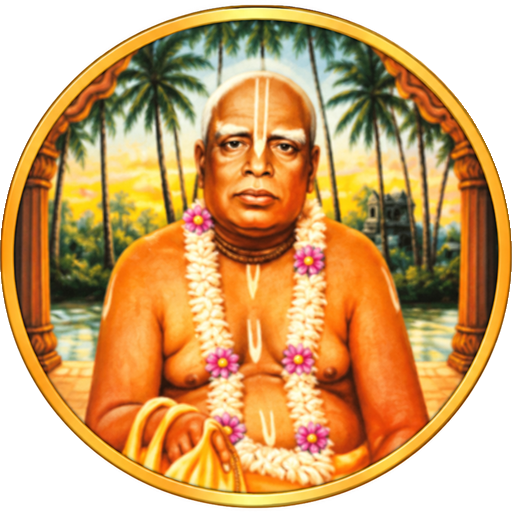
Bhagavad-gītā with Vidvat-rañjana-bhāṣya
About This Work
Intended for thoughtful practitioners seeking to harmonize practical civic duty with the supreme instruction of unconditional surrender to Śrī Kṛṣṇa.
Historical Context
Published in 1891 from Krishnanagar, widely read by educated Bengalis seeking an authentic Vaiṣṇava understanding of the Gītā.
Key Philosophical Teachings
- The central crest-jewel of the Gītā is pure bhakti-yoga (chapters 7 through 12).
- Karma-yoga without desire for fruits naturally purifies the heart and culminates in unalloyed devotional surrender (śaraṇāgati).
- Acintya-bhedābheda philosophy alone satisfactorily explains the relationships between Brahman, Paramātmā, and Bhagavān.
Śrīla Prabhupāda on This Work
“In our disciplic line we have the example of a perfect householder paramahaṁsa — Śrīla Bhaktivinoda Ṭhākura.”
“Bhaktivinoda Ṭhākura was a family man, a magistrate, and still he executed devotional service so nicely.”
Related Philosophical Topics
Śaraṇāgati: The Six Limbs of Full Surrender
Full surrender to Kṛṣṇa is not passive fatalism, but the active dedication of mind, body, home, and destiny to the care and guidance of the Supreme Lord.
Read TeachingGṛhastha-dharma: Devotional Life Within the Family
Family life is not an obstacle to spiritual realization. Centered on Kṛṣṇa, the household becomes a sanctified temple (bhaktigṛha) where every member progresses toward God.
Read TeachingWork and Spiritual Life: Fulfilling Duty as an Offering
Daily professional responsibility need not conflict with devotion; by executing one's duty honestly without fruitive greed, work itself becomes an offering of worship.
Read TeachingRelated Works in the Literary Canon
Śrī Caitanya-śikṣāmṛta
The nectarean teachings of Lord Caitanya systematically classified into eight distinct showers (vṛṣṭis) covering ethics, ontology, sādhanā, and divine love.
Explore Work