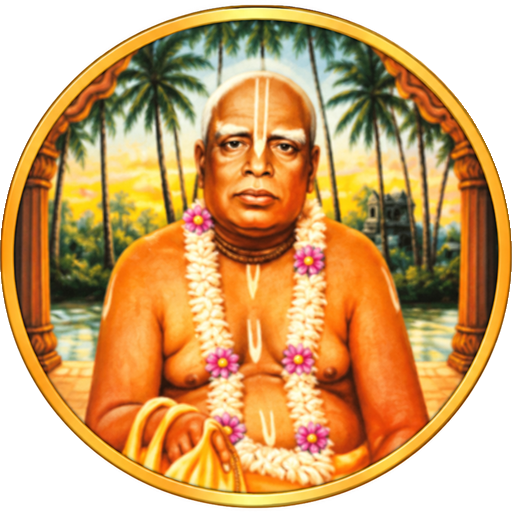
Bhakti Beyond Material Qualification
Pure devotional service is causeless and uninterrupted (ahaituky apratihatā), entirely independent of material birth, gender, caste, scholarship, or wealth.
The Essential Teaching
Understanding the Teaching
Citing the lives of Haridāsa Ṭhākura (born in a non-Hindu family) and Rāmānanda Rāya, Bhaktivinoda demonstrated that spiritual qualification is internal. One who is completely devoted to Kṛṣṇa is superior to the most learned scholar whose heart lacks love.
Practical Reflection for Daily Life
Never feel disqualified from loving God because of your past or background. Kṛṣṇa looks only at the sincere yearning of your heart.
In the Writings of Śrīla Bhaktivinoda Ṭhākura
Śrī Caitanya-śikṣāmṛta
The nectarean teachings of Lord Caitanya systematically classified into eight distinct showers (vṛṣṭis) covering ethics, ontology, sādhanā, and divine love.
Explore WorkJaiva Dharma
Bhaktivinoda Ṭhākura's crowning philosophical novel, unveiling through intimate master-disciple dialogues in Godrumadvīpa the constitutional nature of the soul.
Explore WorkŚrīla Prabhupāda Explains
“So Bhaktivinoda Ṭhākura is an ideal guru. He was not a sannyāsī; he was gṛhastha, householder, living with family, wife, children. Still, he was guru.”
“Although he was a gṛhastha, householder, a government officer, magistrate, but he was ācārya.”
Related Philosophical Topics
Jīva-tattva: The Constitutional Reality of the Soul
The living entity is neither the mortal body nor the fluctuating mind, but an eternal conscious particle of spiritual energy whose eternal nature is loving service to Kṛṣṇa.
Read TopicVaiṣṇava-tattva: Recognizing the Sincere Devotee
A Vaiṣṇava is one whose heart is dedicated to the pleasure of Lord Kṛṣṇa, characterized by compassion, absence of malice, and attachment to the Holy Name.
Read TopicPrimary Textual Sources
-
Jaiva Dharma
— Chapter 8
Devotional qualification versus caste qualification.