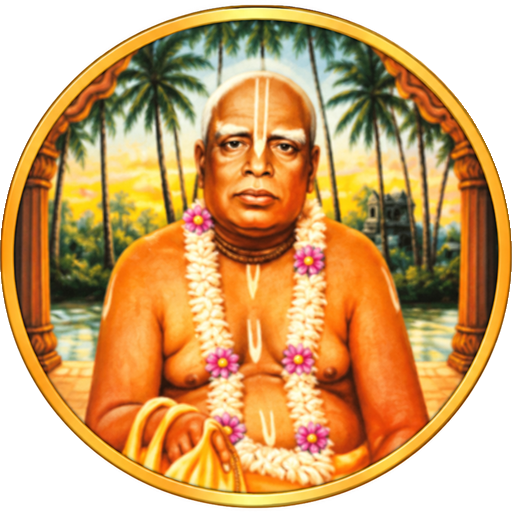
Sense Control and Sincere Renunciation
True renunciation (yukta-vairāgya) does not mean artificially suppressing the senses, but engaging them completely in the service of Lord Kṛṣṇa.
The Essential Teaching
Understanding the Teaching
Rūpa Gosvāmī's Upadeśāmṛta identifies the six urges to be controlled: speech, mind, anger, tongue, belly, and genitals. Bhaktivinoda explains that by regularly honoring sanctified kṛṣṇa-prasāda, the tongue and belly are naturally pacified, making the remaining urges easily governable.
Practical Reflection for Daily Life
Instead of agonizing over what to give up, focus your energy on what to offer to Kṛṣṇa. Positive spiritual absorption naturally dissolves lower cravings.
In the Writings of Śrīla Bhaktivinoda Ṭhākura
Śrī Caitanya-śikṣāmṛta
The nectarean teachings of Lord Caitanya systematically classified into eight distinct showers (vṛṣṭis) covering ethics, ontology, sādhanā, and divine love.
Explore WorkKalyāṇa-kalpataru
The Desire Tree of Auspiciousness—songs illustrating spiritual awakening, renunciation of deceitful pretension, and deep meditation on the divine couple.
Explore WorkŚrīla Prabhupāda Explains
“In our disciplic line we have the example of a perfect householder paramahaṁsa — Śrīla Bhaktivinoda Ṭhākura.”
“Bhaktivinoda Ṭhākura was a family man, a magistrate, and still he executed devotional service so nicely.”
Related Philosophical Topics
Śaraṇāgati: The Six Limbs of Full Surrender
Full surrender to Kṛṣṇa is not passive fatalism, but the active dedication of mind, body, home, and destiny to the care and guidance of the Supreme Lord.
Read TopicGenuine Bhakti, Not Imitation (Avoiding Sahajiyāism)
Bhaktivinoda Ṭhākura rigorously defended pure Gauḍīya siddhānta, warning against artificial displays of ecstasy and cheap imitation of intimate divine pastimes.
Read TopicWork and Spiritual Life: Fulfilling Duty as an Offering
Daily professional responsibility need not conflict with devotion; by executing one's duty honestly without fruitive greed, work itself becomes an offering of worship.
Read TopicPrimary Textual Sources
-
Śrī Caitanya-śikṣāmṛta
— Shower 2
The regulation of bodily urges and devotional engagement of the senses.